A music library is a curated collection of audio tracks, sound effects, and compositions organized so creators like you can find and legally use them in your projects. Think of it as a Netflix for music licensing, except you’re not just listening—you’re getting full permission to drop these tracks into your YouTube videos, TikToks, podcasts, and films without worrying about copyright strikes or takedowns.
The whole point is simple: creators need music. Your content without a soundtrack feels flat and incomplete. But getting permission from every artist and rights holder is a nightmare. That’s where a music library comes in. You pay one subscription fee, and boom, you get access to thousands of tracks that are already cleared for your use.
Related: Music for Content Creators: The Complete Guide (2026)
Related: Music for Creators: The Complete Guide to Finding Your Sound
Related: Music Rights Clearance: Complete Guide for Creators
Related: What Is a Music License? Complete Creator’s Guide
Related: How to Legally Use Music: The Complete Creator’s Guide
Related: How to License Music for Your Videos: The Smart Creator’s Guide
Related: Best Music for YouTube Videos: Creator’s Guide
Related: What Is Music Clearance? A Creator’s Complete Guide
Related: What is Sync Licensing? A Creator’s Guide to Music Rights
Related: Best Music Licensing for Social Media: Creator’s Guide
Related: Legal Music for Videos: Complete Guide for Creators
How Music Libraries Work
When you subscribe to a music library, you’re licensing music directly from the platform. The library has already done the legal work with the artists, composers, and rights holders. You don’t have to negotiate individual licenses or email random musicians asking for permission.
Here’s the typical workflow:
- Search the library by mood, genre, duration, or instrument
- Preview the track before downloading
- Download the full-quality audio file
- Use it in your project with full confidence
- Publish to any platform (YouTube, Instagram, TikTok, your website, etc.)
The licensing terms are usually clear and straightforward. Most royalty-free platforms let you use the music in commercials, social media content, streaming projects, podcasts, and indie films. Some have restrictions on certain uses, so you always want to check the license before downloading.
Types of Music Libraries You’ll Encounter
Not all music libraries are the same. Here are the main types:
- Royalty-free libraries: You pay once and use the music unlimited times. This is what most creators use.
- Stock music platforms: Similar to royalty-free, but often tailored for corporate video and advertising projects.
- Creative Commons libraries: Free music, but with specific attribution or sharing requirements. Useful for budget creators, but read the fine print.
- Subscription-based platforms: Monthly or annual fees for unlimited downloads. Best for creators who need lots of music.
- Per-track licensing: Buy individual licenses for specific songs. More expensive if you need multiple tracks.
Each type has pros and cons depending on your project type, budget, and how much music you actually need.
Why Creators Actually Need a Music Library
Let’s be real: without a music library, you’re taking huge legal risks. Using copyrighted music without permission can get your video demonetized, taken down, or worse—hit with a copyright claim that stays on your record forever.
Using a music library solves that problem immediately. You get:
- Legal protection and peace of mind
- Instant access to thousands of high-quality tracks
- No more scrambling for music five minutes before publishing
- Professional sound that elevates your content quality
- Affordable pricing compared to licensing individual songs
- Consistent sonic identity if you stick to the same library
If you’re serious about creating content—whether that’s YouTube videos, TikToks, podcasts, or short films—a music library is non-negotiable. Audiosocket offers royalty-free music with comprehensive licensing so you can publish without stress.
Finding the Right Music Library for Your Projects
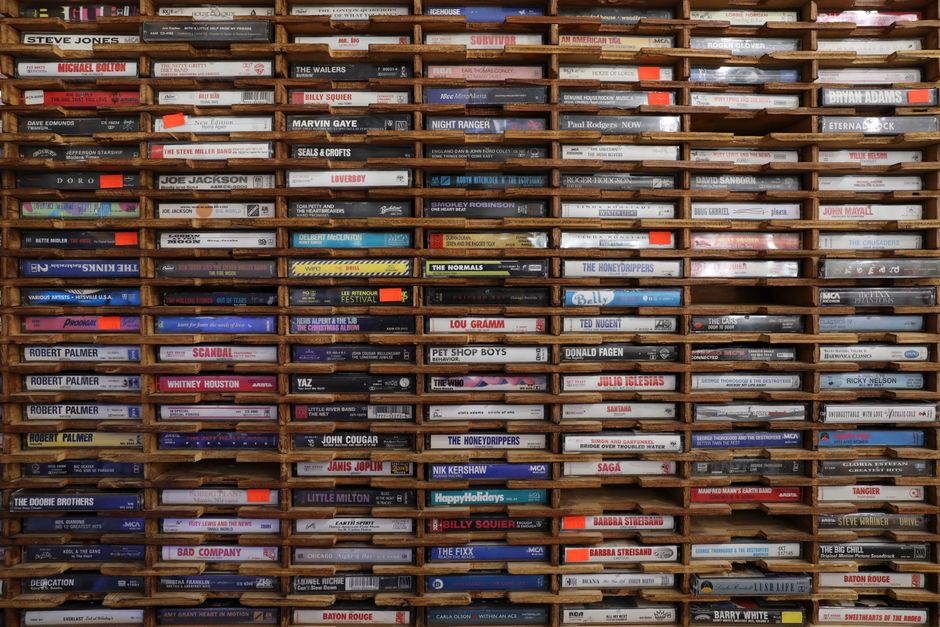
So how do you actually choose one? Here are the things to evaluate:
Catalog size: Bigger isn’t always better, but you want enough options. Libraries with 100,000+ tracks give you legitimate variety across genres and moods.
Music quality: Listen to sample tracks. Does the production sound professional? Are the artists recognizable? Some libraries source from independent musicians; others work with Grammy-winning artists. Both can be great, depending on your vibe.
Search and filtering: Can you search by mood, tempo, genre, and instrument? A clunky interface will waste your time every time you need music.
Licensing flexibility: Check what you’re actually allowed to do with the music. Can you use it in commercials? Monetized videos? Film festivals? Different platforms have different rules.
Price: Do they offer a free tier to test? Is there a monthly subscription or annual option? What’s the cost per track if you buy individually?
Customer support: If something goes wrong, can you actually reach a real human?
Take time to browse a few libraries before committing. Most let you preview before you subscribe, so use that to make sure the catalog matches your creative style.
Music Libraries and Content Platforms
Different platforms have different music policies. YouTube will flag copyrighted music and potentially demonetize your video. TikTok has its own massive music library built in. Podcasting platforms like Spotify and Apple Podcasts are strict about music rights.
The safest bet? Always use music from a proper music library if you’re uploading to a monetized platform. If you’re building an audience and want to eventually make money from your content, using licensed music keeps you protected.
Music libraries like Audiosocket are built specifically with creators in mind. They understand that you need quick access, flexible licensing, and professional-quality audio without breaking your budget.
The 2026 Creator Music Strategy
Here’s what we’re seeing in the creator economy right now: content is everywhere. Your music choice actually matters more than ever because it helps you stand out.
If you’re releasing content consistently (and you should be—think 20-30 pieces per release cycle), you need a reliable music source. Jumping between different platforms and hunting for music wastes time you could spend actually creating.
Pick a music library that fits your workflow and stick with it. This builds consistency in your sonic branding and makes publishing faster. You’ll recognize certain artist styles as “yours,” which helps your audience recognize your content too.
The trend toward AI-generated content also means authentic, human-created music is becoming more valuable. When you use real musicians from a legit music library, you’re supporting actual creators while making your content better.
Building Your Audio Strategy with a Music Library

Don’t just pick random songs. Think about your content’s personality. Do you need upbeat, energetic tracks for vlogs? Moody ambient music for cinematic projects? Lo-fi beats for chill gaming streams?
Map out the types of music you use most. Then explore your music library’s categories and save favorites as you find them. Create playlists within your library for different project types. This saves you time when you’re on deadline.
Also, think about how music supports your storytelling. The right track can completely change how your audience feels about your content. A sad scene needs different music than a celebration. This is where spending time in a quality music library pays off.
When you’re evaluating options, check out what different music libraries offer to see which catalog matches your actual creative needs.
Common Music Library Questions (People Also Ask)
Can you use music from a music library in YouTube videos?
Yes, absolutely. As long as the music is from a licensed music library with proper royalty-free or commercial licensing, you can upload to YouTube with zero copyright issues. This is actually the main reason creators use music libraries.
Is royalty-free music free or paid?
Royalty-free doesn’t mean free (zero cost). It means you pay once and can reuse the music unlimited times without paying per-use fees. Some platforms offer free tiers with limited tracks, but most royalty-free libraries require a subscription starting around $10-20 per month.
Do music libraries work for commercial projects like ads?
It depends on the specific license, but most royalty-free music libraries explicitly allow commercial use. Check the license terms before downloading. Some tracks might have restrictions on certain types of commercial use, so always read the fine print.
What’s the difference between a music library and YouTube’s Audio Library?
YouTube’s Audio Library is free and built into Creator Studio, but it has a smaller catalog and less curation. Dedicated music libraries like Audiosocket have bigger catalogs, better search functionality, higher production quality, and music from more professional artists. Many creators use both—YouTube’s library for quick needs and a dedicated library for more serious projects.