Your podcast intro music is the first impression you make on listeners. In the first few seconds, it needs to hook people, set the vibe for your show, and make them remember you. The right track does all that. The wrong one? It can work against you. Here’s how to find and use podcast intro music that actually works.
Why Podcast Intro Music Matters
Think about your favorite podcasts. Most have an intro track you recognize immediately. That’s not an accident. Your intro music is your audio branding. It tells listeners what they’re about to hear and creates an emotional connection before you even speak.
Good intro music does three things: it grabs attention, sets expectations, and builds anticipation. A business podcast needs something different than a true crime show. A comedy show intro should feel loose and fun. An educational podcast might go cinematic or minimalist.
Your intro is also a buffer. It gives you a moment to settle in, test your audio levels, and let listeners mentally shift into podcast mode. That matters more than you’d think.
What Style of Podcast Intro Music Should You Choose?
The style of your intro depends entirely on your show’s genre and audience. Here are the main categories to consider:
Upbeat and Branded
This style works for business, entrepreneurship, and interview shows. Think energetic but professional. It feels like something is about to happen. Listeners expect clarity and substance when they hear this kind of intro.
Cinematic and Epic
Cinematic builds create drama and gravitas. These work well for narrative podcasts, true crime, history shows, or anything that tells a deep story. They make listeners feel like they’re entering a bigger world.
Lo-fi and Chill
Relaxed, lo-fi tracks suit self-improvement, wellness, meditation, and educational content. They feel approachable and intimate, which keeps listeners engaged without demanding too much attention.
Quirky and Playful
Comedy podcasts and casual shows benefit from fun, unexpected intros. These tracks often have personality and humor built in. They signal that you don’t take yourself too seriously.
Pick one style and stick with it. Consistency is how listeners recognize your show.
Where to Find Royalty-Free Podcast Intro Music
You need music you can legally use without worrying about copyright strikes or licensing fees. Royalty-free music libraries are your best option. When you download a royalty-free track, you get the right to use it in your podcast without paying per download or needing permission every time you publish an episode.
Look for libraries that offer podcast-specific music or intro tracks. These are usually curated with creators in mind. You want options in multiple formats (MP3 and WAV), clear licensing terms, and tracks that are actually designed to work as intros, not just random instrumental songs.
Related: Music for Product Reviews: Best Tracks & How to Pick Them
Audiosocket offers royalty-free music built for creators like you, including tracks specifically designed for podcast intros and outros. You can preview everything before you commit.
How to Structure Your Podcast Intro

A strong intro has layers. Don’t just slap a music track onto your voice and call it done.
Step 1: Write Your Intro Script
Before you record anything, write out what you’re going to say. Keep it short (15-30 seconds is ideal). Include your show name, what listeners will get from the episode, and maybe a quick host introduction. Writing it first means you’ll sound confident and natural when you record.
Step 2: Choose Your Music Track
Pick a royalty-free intro track that matches your script’s energy and pacing. If your script is energetic, pick upbeat music. If it’s calm and contemplative, go minimal. The music and your voice should feel like they belong together.
Step 3: Record Your Intro Vocals
Use decent recording equipment and a quiet space. Your voice needs to be clear and professional. Even if you’re recording at home with a USB microphone, take time to set up properly. Avoid background noise and echo. One clean take beats ten mediocre ones.
Step 4: Layer the Music Under Your Voice
Your music doesn’t need to stop when you start talking. Most professional podcasts have the intro music play, then dip down in volume while the host speaks, then build back up as a transition into the episode. This layering creates a polished, branded sound.
Step 5: Add an Outro and Transitions
Your intro music often becomes your outros and transition music too. Plan for that from the start. If you’re using the same track for multiple purposes, make sure it works both ways. Some tracks loop well. Others don’t. Test it.
Testing and Refining Your Intro
Don’t publish your intro without testing it first. Listen to it on your phone speaker, in earbuds, and in a car. Different audio devices reveal different problems. If your intro sounds muddy on earbuds, you need to adjust the mix.
Also test your intro on actual podcast platforms before you publish your first episode. Many platforms handle audio compression differently. What sounds clean in your editing software might sound compressed or distorted on Spotify or Apple Podcasts. Catch that early.
Things to Avoid
Don’t use copyrighted music. It sounds like an obvious warning, but plenty of creators grab music from YouTube or streaming services without checking the license. One copyright claim can demonetize your entire show or get it taken down. Royalty-free is the only safe option.
Related: Creator Music: What It Is & How to Use It Right
Don’t go too long with your intro. Thirty seconds max. Listeners want to hear your voice and the actual content. A two-minute intro is overkill and annoying.
Don’t pick music that sounds generic or overused. If your intro sounds like a hundred other podcasts, listeners won’t remember you. Find something that feels authentic to your show’s personality. When you’re exploring options at a royalty-free music platform, take time to listen to multiple tracks before deciding.
How to Make Your Intro Stand Out
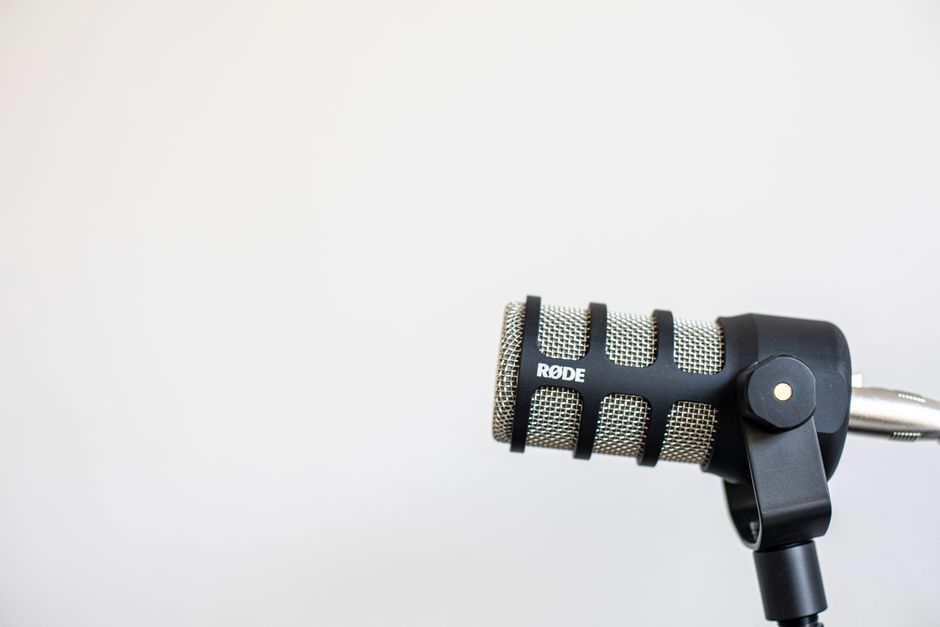
The best podcast intro music isn’t just functional, it’s memorable. Here’s how to get there:
Match Your Genre Exactly
Don’t compromise on vibe. A true crime podcast with bubbly pop music doesn’t work. Neither does a comedy show with orchestral strings. Your listeners make quick decisions. Get the music right and you’re winning already.
Keep Your Intro Consistent
Use the same intro track for every episode. That consistency builds brand recognition. After a few episodes, your listeners will recognize your show’s opening within a second or two. That’s the goal.
Pair Music With a Strong Hook
Your intro music gets listeners’ attention. Your opening words keep them. Say something interesting in those first 15 seconds. Tell them why this episode matters. Make them curious.
Invest in Quality Recording
Even the best music won’t save a intro with bad audio quality. Your voice needs to be clear, professional, and properly balanced with the music. That’s table stakes.
Podcast Intro Music for Different Show Types
Here’s what typically works for different podcast genres:
Business and Interview Podcasts
Go with something upbeat, modern, and energetic. Listeners expect professional vibes. Your intro should feel confident and forward-moving.
True Crime and Narrative Storytelling
Cinematic, dramatic music builds tension and draws people in. Think mysterious, slightly dark, and compelling. This is where epic intro music shines.
Self-Help and Wellness
Calm, inspiring music works best. Your intro should feel uplifting but not chaotic. Lo-fi or ambient tracks usually nail this.
Comedy and Entertainment
Playful, unexpected, quirky music signals that you’re not serious. Listeners relax and lean into the humor from the jump.
Educational and Learning
Clean, clear, minimalist music works well. You want listeners focused on the content, not distracted by elaborate production. Simple and professional wins.
Keeping Your Intro Fresh Over Time
You’ll use your intro music in every single episode. After episode 50, you might get tired of it. That’s normal. But don’t change it just because you’re bored. Your listeners need that consistency.
If you really want to evolve your show’s sound, plan it as a deliberate rebrand. Change your intro music, maybe tweak your script, and make it feel intentional. Don’t just swap tracks randomly. That confuses your audience.
The Bottom Line on Podcast Intro Music
Your intro music is one of the most important creative decisions you’ll make for your podcast. It sets the tone, builds brand identity, and hooks listeners in seconds. Choose something that matches your show’s genre and personality, record your intro vocals with care, and layer everything together thoughtfully. Test it across devices and platforms before you launch. Consistency matters, so commit to one track and use it for every episode.
What’s the ideal length for podcast intro music?
Aim for 15-30 seconds total, including your spoken intro. Some intros are just the music (8-12 seconds), then your voice comes in. Others have the music play while you talk, with the music dipping down in volume. Either way, keep it tight. Listeners want to get to the content.
Can I use the same intro music for multiple podcasts?
Technically yes, but it’s not ideal. Each show should have its own sonic identity. If you run multiple podcasts, give each one a different track. It helps listeners keep them separate and builds stronger branding for each show.
Do I need to edit my intro music, or can I use it as-is?
Most royalty-free intro tracks are ready to use right out of the box. You shouldn’t need to edit the music itself. What you will do is layer your voice on top of it and adjust the volume levels so both sit well together. That’s mixing, not editing the track.
What if I can’t afford a professional intro music license?
Royalty-free music libraries are affordable. Many offer subscription models that give you unlimited downloads and usage rights for a fraction of what a traditional license costs. You get access to thousands of professionally produced tracks without breaking the bank. That’s the whole point of royalty-free licensing.